Adaptive cruise control, a cutting-edge driver assistance technology, controls a vehicle's speed and maintains a safe distance from the vehicle ahead. It enhances driving experience, especially on highways or in stop-and-go traffic.
Introduced by General Motors in 1997, this feature has become a popular safety measure. It offers numerous benefits, including reduced driver fatigue, improved fuel efficiency, and enhanced overall driving comfort and safety.
In this article, we will explore the nuances of BMW's implementation of adaptive cruise control, examining its functionality, advantages, and limitations. We will provide a comprehensive analysis to assist you in making an informed decision regarding this technology.
Do BMW Have Adaptive Cruise Control?
Adaptive cruise control is a driver assistance technology that can significantly enhance your driving experience. It is a system that automatically adjusts your vehicle's speed to maintain a safe distance from the vehicle in front of you.
- Convenience
- Safety
- Fuel efficiency
- Reduced fatigue
- Enhanced comfort
- Suitable for highway driving
BMW offers adaptive cruise control as an option on many of its models. It is a valuable feature that can make your driving experience more enjoyable and safer. If you are considering purchasing a BMW, be sure to ask about adaptive cruise control.
Convenience
Adaptive cruise control offers a range of convenient features that enhance the driving experience. It reduces driver workload, particularly during long journeys or in heavy traffic, by automating speed and distance maintenance.
-
Automatic Speed Adjustment
The system continuously monitors the vehicle ahead and adjusts your speed accordingly, maintaining a safe following distance.
-
Stop-and-Go Capability
In stop-and-go traffic, the system can bring your vehicle to a complete stop and then resume driving when traffic starts moving again.
-
Overtaking Assistance
Some systems allow you to temporarily override the set speed to overtake another vehicle, then automatically resume the previous speed.
-
Intuitive Controls
Adaptive cruise control systems are typically easy to use, with simple controls mounted on the steering wheel or dashboard.
Overall, adaptive cruise control provides a convenient and stress-free driving experience, allowing drivers to focus more on the road and less on the mechanics of driving.
Safety
Adaptive cruise control (ACC) significantly enhances driving safety by providing several key features that help prevent accidents and mitigate their severity.
Firstly, ACC maintains a safe following distance from the vehicle ahead, reducing the risk of rear-end collisions. The system continuously monitors the relative speed and distance and adjusts your vehicle's speed accordingly. This is particularly beneficial in stop-and-go traffic or when driving in poor visibility conditions, such as fog or rain.
Secondly, ACC can help prevent lane departure accidents by keeping your vehicle centered in its lane. This is achieved through lane-keeping assist systems that use sensors to detect lane markings and makesteering adjustments to keep the vehicle on course. Lane-keeping assist can also provide haptic feedback or visual alerts to the driver if the vehicle starts to drift out of its lane.
Overall, ACC provides a valuable safety net for drivers, reducing the risk of accidents and making driving a more relaxing and enjoyable experience.
Fuel efficiency
Adaptive cruise control (ACC) can improve fuel efficiency by reducing unnecessary acceleration and braking. When ACC is engaged, your vehicle will automatically adjust its speed to maintain a safe following distance from the vehicle ahead. This can help you avoid sudden stops and starts, which can waste fuel. Additionally, ACC can help you maintain a more consistent speed, which can also improve fuel efficiency.
For example, a study by the University of California, Davis found that ACC can improve fuel economy by up to 5%. The study found that ACC was most effective at improving fuel economy in stop-and-go traffic and on highways.
In real-world driving conditions, ACC can help you save fuel by:
Reducing the number of times you need to brake Reducing the amount of time you spend idling Maintaining a more consistent speedOverall, ACC is a valuable feature that can help you improve fuel efficiency and save money on gas.
Reduced fatigue
Adaptive cruise control (ACC) is a valuable driver assistance feature that can reduce driver fatigue, particularly during long drives or in heavy traffic. ACC allows drivers to set a desired speed and following distance, and the vehicle will automatically adjust its speed to maintain a safe distance from the vehicle ahead. This can significantly reduce the amount of time drivers spend braking and accelerating, which can lead to reduced fatigue.
In addition, ACC can help to reduce mental fatigue by reducing the need for drivers to constantly monitor their speed and the distance to the vehicle ahead. This can be especially beneficial in stop-and-go traffic, where drivers may experience increased stress and fatigue due to the constant need to adjust their speed and brake.
Real-world examples of how ACC can reduce fatigue include:
- A study by the University of Michigan Transportation Research Institute found that drivers who used ACC on a 400-mile trip experienced significantly less fatigue than drivers who did not use ACC.
- A study by the National Highway Traffic Safety Administration (NHTSA) found that drivers who used ACC on a 100-mile trip reported feeling less fatigued and more alert than drivers who did not use ACC.
Overall, ACC is a valuable feature that can help to reduce driver fatigue, making driving a more enjoyable and safer experience.
Enhanced comfort
Adaptive cruise control (ACC) significantly enhances driving comfort, particularly on long journeys or in heavy traffic. By automatically adjusting your vehicle's speed and maintaining a safe following distance from the vehicle ahead, ACC reduces the need for constant manual acceleration and braking, reducing driver workload and fatigue.
One key aspect of enhanced comfort with ACC is the reduction of physical strain. ACC allows drivers to maintain a relaxed posture and reduces the need for frequent muscle movements associated with manual driving. This can be especially beneficial for drivers with physical limitations or those who experience discomfort during prolonged driving.
Real-world examples of enhanced comfort with ACC include:
- A study by the University of California, Berkeley found that drivers who used ACC on a 400-mile trip reported significantly reduced levels of muscle fatigue and discomfort compared to drivers who did not use ACC.
- A study by the National Highway Traffic Safety Administration (NHTSA) found that drivers who used ACC on a 100-mile trip reported feeling more comfortable and relaxed than drivers who did not use ACC.
Overall, ACC is a valuable feature that can significantly enhance driving comfort, making it a more enjoyable and relaxing experience, particularly on long journeys or in heavy traffic.
Suitable for highway driving
Adaptive cruise control (ACC) is particularly well-suited for highway driving due to its ability to maintain a safe following distance and adjust speed automatically in response to changing traffic conditions. This is especially advantageous on highways, where traffic flow can vary significantly and maintaining a safe distance from other vehicles is crucial. ACC enhances safety and comfort during highway driving, reducing driver workload and stress.
One key aspect of ACC's suitability for highway driving is its ability to reduce driver fatigue. Long stretches of highway driving can be monotonous and tiring, and ACC helps to alleviate this by reducing the need for constant manual acceleration and braking. This allows drivers to stay more alert and focused, which is essential for safe highway driving.
ACC is also beneficial in heavy traffic conditions, which are common on highways during peak hours or holiday periods. ACC can automatically adjust speed and maintain a safe distance from other vehicles, reducing the risk of rear-end collisions and improving overall traffic flow. This helps to make highway driving more efficient and less stressful.
In summary, ACC is highly suitable for highway driving due to its ability to enhance safety, comfort, and efficiency. It reduces driver workload and fatigue, improves traffic flow, and makes highway driving a more enjoyable experience.
FAQs on Adaptive Cruise Control in BMWs
This section addresses frequently asked questions about adaptive cruise control (ACC) in BMW vehicles, providing clear and informative answers to.
Question 1: Do all BMW models have adaptive cruise control?
No, ACC is not standard on all BMW models. It is typically available as an optional feature or part of higher trim levels.
Question 2: How does ACC work in BMWs?
BMW's ACC uses a combination of sensors, including radar and cameras, to monitor the vehicle's surroundings. It automatically adjusts speed to maintain a safe following distance from the vehicle ahead and can bring the car to a complete stop if necessary.
Question 3: Is ACC safe to use?
Yes, ACC is generally safe to use when activated appropriately. It enhances safety by reducing driver workload and maintaining a safe distance from other vehicles.
Question 4: Can ACC be used in all driving conditions?
ACC is designed for highway and freeway driving, where traffic flow is more consistent. It may not be suitable for all driving conditions, such as heavy rain, fog, or icy roads.
Question 5: How can I activate ACC in my BMW?
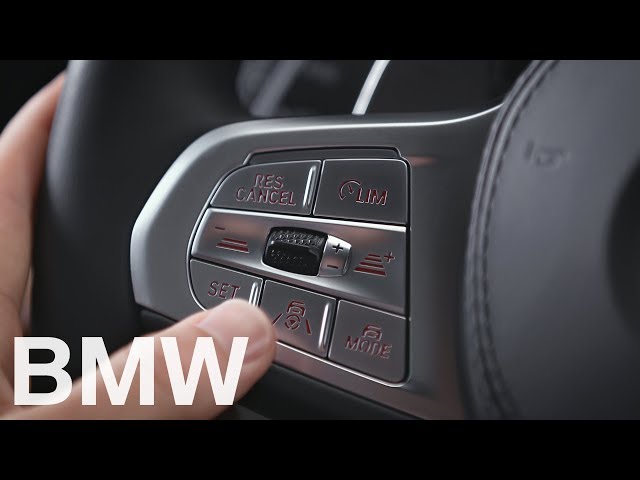
The activation process for ACC may vary slightly depending on the BMW model. Generally, it involves pressing a designated button on the steering wheel or using the cruise control stalk.
Question 6: What are the limitations of ACC?
ACC may have limitations in certain situations, such as when the vehicle ahead brakes suddenly or changes lanes without signaling. It is important to remain alert and prepared to intervene manually if necessary.
In summary, ACC in BMWs is a valuable safety and convenience feature that enhances driving comfort, reduces driver fatigue, and maintains a safe following distance. However, it is not a substitute for attentive driving, and drivers should always be prepared to take control of the vehicle when necessary.
For further insights into ACC and other advanced driver assistance systems in BMWs, please refer to the next section.
Tips To Optimize Adaptive Cruise Control in BMWs
Adaptive cruise control (ACC) is a valuable feature that enhances safety and comfort while driving. To make the most of ACC in your BMW, consider the following tips:
Tip 1: Familiarize Yourself with ACC Settings
Explore the various ACC settings available in your BMW's iDrive system. Customize settings such as following distance, acceleration, and braking behavior to suit your preferences and driving style.
Tip 2: Use ACC on Suitable Roads
ACC is most effective on highways and freeways with consistent traffic flow. Avoid using it in stop-and-go traffic or in adverse weather conditions.
Tip 3: Maintain a Safe Following Distance
Even with ACC activated, maintain a safe following distance from the vehicle ahead. This provides additional time to react to unexpected situations.
Tip 4: Be Aware of ACC Limitations
ACC may not detect stationary objects or vehicles that cut in front of you. Always remain alert and prepared to intervene manually.
Tip 5: Use ACC in Conjunction with Other Safety Features
Combine ACC with other safety features in your BMW, such as lane departure warning and automatic emergency braking, for a comprehensive safety net while driving.
By following these tips, you can optimize the functionality of ACC in your BMW, enhancing your driving experience and maximizing its safety benefits.
In the next section, we will discuss advanced driver assistance systems (ADAS) in BMWs, exploring their capabilities and how they work in conjunction with ACC to provide a more comprehensive and sophisticated driving experience.
Conclusion
Adaptive cruise control (ACC) is a valuable and widely available feature in BMW vehicles, providing enhanced safety, comfort, and convenience while driving. Its ability to maintain a safe following distance and automatically adjust speed reduces driver fatigue and improves overall driving experience, particularly on highways and in heavy traffic.
ACC works in conjunction with other advanced driver assistance systems (ADAS) in BMWs, forming a comprehensive safety net. Its seamless integration with lane departure warning, automatic emergency braking, and other features ensures a more proactive and protective driving environment. As technology continues to advance, ACC and ADAS systems are expected to play an increasingly significant role in shaping the future of automotive safety and driving.
Youtube Video:




No comments:
Post a Comment